
by Zeugma
Share
Share
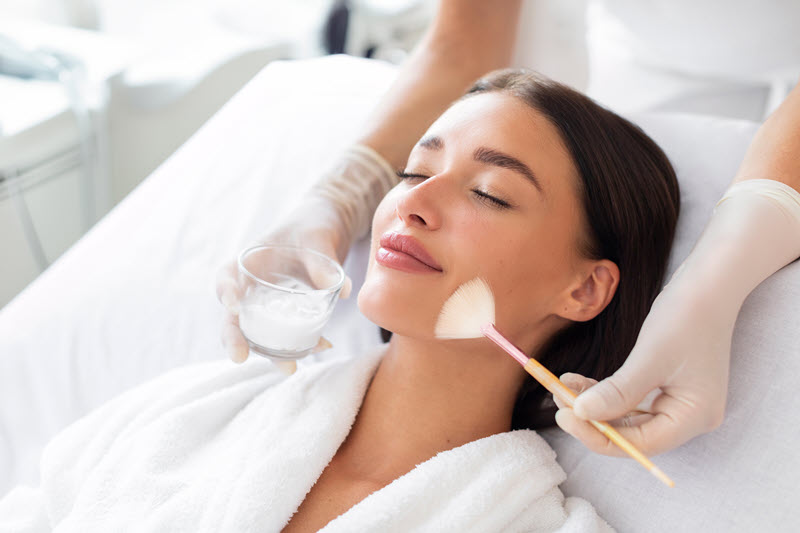
If you’re looking for one of the most effective ways to resurface, brighten, and renew your skin, a chemical peel in Miami might be exactly what your complexion needs. Chemical peels have been a cornerstone of professional skincare for decades — and today’s formulations are safer, more customizable, and more effective than ever before.
At Zeugma Medspa in Edgewater’s Paraiso Bay, we offer a range of medical-grade chemical peels tailored to your unique skin type, tone, and concerns. In this guide, we’ll help you understand how chemical peels work, which types are available, and how to choose the right one for you.
What Is a Chemical Peel?
A chemical peel is a skin resurfacing treatment in which a carefully selected chemical solution is applied to the skin. This solution causes the outermost layers of skin to exfoliate and eventually peel away — revealing the fresher, smoother, more evenly toned skin underneath.
Depending on the depth of the peel, the results can range from a subtle brightening and texture improvement to a dramatic reduction in deep wrinkles, scarring, and pigmentation. The key is choosing the right peel for your skin’s needs — and having it performed by a trained professional who understands your skin.
Why Miami Skin Benefits So Much from Chemical Peels
Miami’s year-round sun, heat, and humidity create a perfect storm of skin challenges:
- Sun damage and hyperpigmentation: Constant UV exposure accelerates melanin production, leading to dark spots, uneven tone, and premature aging.
- Congested pores: Humidity and sweat keep pores chronically clogged, contributing to breakouts and rough texture.
- Accelerated skin aging: Heat and UV rays break down collagen faster than in cooler climates, making resurfacing treatments especially valuable.
- Post-inflammatory hyperpigmentation: Miami’s diverse population includes many clients with melanin-rich skin tones that are particularly prone to PIH — a concern that requires careful peel selection and expert application.
A well-chosen chemical peel, performed by an experienced provider, directly addresses all of these concerns and resets your skin’s surface for a healthier, more radiant baseline.
Types of Chemical Peels: Superficial, Medium, and Deep
Chemical peels are broadly categorized by their depth of penetration. Understanding the difference is the first step in choosing the right treatment.
Superficial Peels
Superficial peels target only the outermost layer of skin (the epidermis). They use mild acids such as alpha-hydroxy acids (AHAs) like glycolic acid or lactic acid, or beta-hydroxy acids (BHAs) like salicylic acid.
Best for: Dullness, mild texture irregularities, clogged pores, early sun damage, and acne-prone skin. Also ideal for first-time peel clients and those with sensitive or darker skin tones.
Downtime: Minimal — mild redness and light flaking for 2 to 4 days.
Frequency: Can be repeated every 2 to 4 weeks as part of a progressive treatment plan.
Medium-Depth Peels
Medium peels penetrate into the upper dermis (the layer beneath the epidermis). The most commonly used agent is trichloroacetic acid (TCA), sometimes combined with glycolic acid for enhanced results.
Best for: Moderate sun damage, more pronounced hyperpigmentation, fine to moderate lines, acne scarring, and uneven skin texture.
Downtime: 5 to 7 days of visible peeling and redness. Results are significantly more dramatic than superficial peels.
Frequency: Typically performed every 3 to 6 months.
Deep Peels
Deep peels — most commonly phenol-based — penetrate into the deeper layers of the dermis. These are powerful treatments reserved for significant skin concerns and require careful patient selection.
Best for: Deep wrinkles, severe sun damage, significant scarring, and advanced skin laxity.
Downtime: 1 to 2 weeks, with full healing and final results visible over several weeks to months.
Note: Deep peels are not appropriate for darker skin tones due to the risk of pigmentation changes.
Popular Chemical Peel Ingredients and What They Do
Glycolic Acid (AHA)
Derived from sugar cane, glycolic acid has the smallest molecular size of all AHAs — allowing it to penetrate deeply and effectively. It’s excellent for brightening, smoothing texture, and stimulating collagen production. Well-suited for most skin types.
Salicylic Acid (BHA)
Oil-soluble and able to penetrate into pores, salicylic acid is the gold standard for acne-prone and oily skin. It clears congestion, reduces inflammation, and helps prevent future breakouts.
Lactic Acid (AHA)
A gentler AHA derived from milk, lactic acid is ideal for sensitive skin and for clients with darker skin tones who need effective exfoliation without the risk of irritation or PIH.
Mandelic Acid (AHA)
With a larger molecular size than glycolic acid, mandelic acid penetrates more slowly and is significantly gentler — making it one of the best options for sensitive, acne-prone, or melanin-rich skin.
TCA (Trichloroacetic Acid)
A medium-depth workhorse used in concentrations ranging from 10% to 35%. TCA peels are highly customizable and effective for a wide range of concerns including pigmentation, scarring, and moderate aging.
Choosing the Right Chemical Peel for Your Skin Type
Oily & Acne-Prone Skin
Salicylic acid peels are your best friend. They penetrate into pores, clear congestion, and reduce the inflammation that drives breakouts. A series of salicylic peels — performed monthly — can dramatically improve the clarity and texture of chronically congested skin.
Dry or Sensitive Skin
Lactic acid or mandelic acid peels offer effective exfoliation without compromising the skin barrier. These gentler options deliver brightening and smoothing results with minimal risk of irritation.
Hyperpigmentation & Uneven Tone
A combination approach — often called a “brightening peel” — using glycolic acid, kojic acid, and azelaic acid works effectively to interrupt melanin production and fade existing dark spots. For darker skin tones, a more conservative protocol using lactic or mandelic acid is often the safer starting point.
Aging Skin & Fine Lines
Glycolic acid peels at progressive strengths, or a medium-depth TCA peel, are excellent for stimulating collagen, softening fine lines, and restoring the plumper, denser skin texture of youth.
Sun-Damaged Skin
A TCA peel — or a series of glycolic peels at increasing concentrations — is highly effective at reversing years of UV-induced damage, fading sunspots, and improving overall skin tone and texture.
What to Expect During Your Chemical Peel at Zeugma Medspa
Step 1 — Skin Consultation & Assessment
Every peel at Zeugma Medspa begins with a thorough skin assessment. We evaluate your skin type, tone, concerns, and history to determine the ideal peel formulation and depth. If you have recently used retinoids or had other skin treatments, we’ll factor that into our recommendation.
Step 2 — Skin Preparation
Your skin is thoroughly cleansed to remove all makeup, oils, and sunscreen. A pre-peel solution may be applied to ensure the peel absorbs evenly across the treatment area.
Step 3 — Peel Application
The peel solution is carefully applied to your skin. You may feel a mild tingling, warming, or stinging sensation — this is normal and indicates the solution is working. Your provider monitors your skin’s response throughout and neutralizes the solution at precisely the right time.
Step 4 — Neutralization & Soothing
The peel is neutralized and removed, and a calming, hydrating mask or serum is applied to soothe your skin. Most sessions take between 30 and 60 minutes in total.
Step 5 — Post-Peel Care
Before you leave, your provider will give you detailed aftercare instructions and recommend the appropriate products to use at home during your skin’s recovery period.
Chemical Peel Aftercare: What to Expect and How to Care for Your Skin
Proper aftercare is essential to achieving the best results and avoiding complications. Here’s what to keep in mind:
- ✅ Keep skin moisturized with gentle, fragrance-free products
- ✅ Apply SPF 30+ every morning without exception — especially critical in sunny Miami
- ✅ Let peeling occur naturally — do not pick or pull at flaking skin
- ✅ Stay hydrated and support your skin from within
- ❌ Avoid direct sun exposure for at least 2 weeks post-peel
- ❌ Do not use retinol, AHAs, BHAs, or vitamin C until your skin has fully healed
- ❌ Skip the gym and saunas for the first 48 to 72 hours
- ❌ Do not apply makeup until redness and active peeling have resolved
How Many Sessions Will You Need?
The number of sessions depends on your skin concerns and the depth of peel selected:
- Superficial peels: A series of 4 to 6 sessions spaced 2 to 4 weeks apart is typically recommended for best results
- Medium peels: 1 to 3 sessions spaced 3 to 6 months apart, depending on the concern
- Deep peels: Usually a single session — results are long-lasting
Your provider at Zeugma Medspa will create a personalized treatment plan based on your skin’s starting point and your goals.
Combining Chemical Peels with Other Treatments
Chemical peels work beautifully alongside other treatments to deliver comprehensive skin transformation:
- Microneedling: Alternating peels and microneedling treatments maximizes collagen stimulation and skin renewal
- HydraFacial: A HydraFacial performed between peel sessions maintains hydration and keeps pores clear
- Botox & fillers: Combining surface renewal from a peel with volume restoration from injectables delivers a truly comprehensive rejuvenation result
Is a Chemical Peel Right for You?
Chemical peels are suitable for most skin types and tones when the correct formulation is selected. However, peels may not be recommended if you:
- Are pregnant or breastfeeding
- Have an active skin infection, cold sore, or open wound in the treatment area
- Have taken isotretinoin (Accutane) within the past 6 to 12 months
- Have a history of abnormal scarring or keloids
- Have had recent radiation therapy on the face
A thorough consultation at Zeugma Medspa will confirm whether a chemical peel is appropriate for you right now — and which type will give you the best, safest result.
Why Choose Zeugma Medspa for Your Chemical Peel in Miami?
At Zeugma Medspa, we use medical-grade peel formulations sourced from trusted brands including iS Clinical and Babor — professional lines that are not available over the counter. Every peel is performed by trained skin professionals who understand how to customize the treatment for your unique skin type, including melanin-rich skin tones that require extra care and expertise.
We don’t believe in one-size-fits-all skincare. Every client who sits in our treatment chair gets a protocol designed specifically for them — and the results show it.
Book Your Chemical Peel in Miami Today
Ready to reveal smoother, brighter, more even skin? Whether you’re dealing with sun damage, acne scarring, hyperpigmentation, or simply want to refresh your complexion, a chemical peel at Zeugma Medspa delivers real, lasting results.
Zeugma Medspa
501 NE 31st St CU-8, Miami, FL 33137
Paraiso Bay, Edgewater
📞 (305) 481-5659
Mon–Sat: 8:30am – 7:00pm | Sun: Closed
Explore related treatments at Zeugma Medspa (Edgewater, Miami)
Ready to book? Book your appointment or call (305) 481-5659 — new clients save 20% on their first treatment.

How med spa memberships work, what Core, Verge and Zenith include, the real savings in dollars and who each plan fits.

Hip dips — the natural inward curves on the sides of your hips, between hip bone and thigh — are one of the most searched body concerns in aesthetics, and one of the most misunderstood. First things first: hip dips are completely normal anatomy, determined by your bone structure and how your muscle and fat
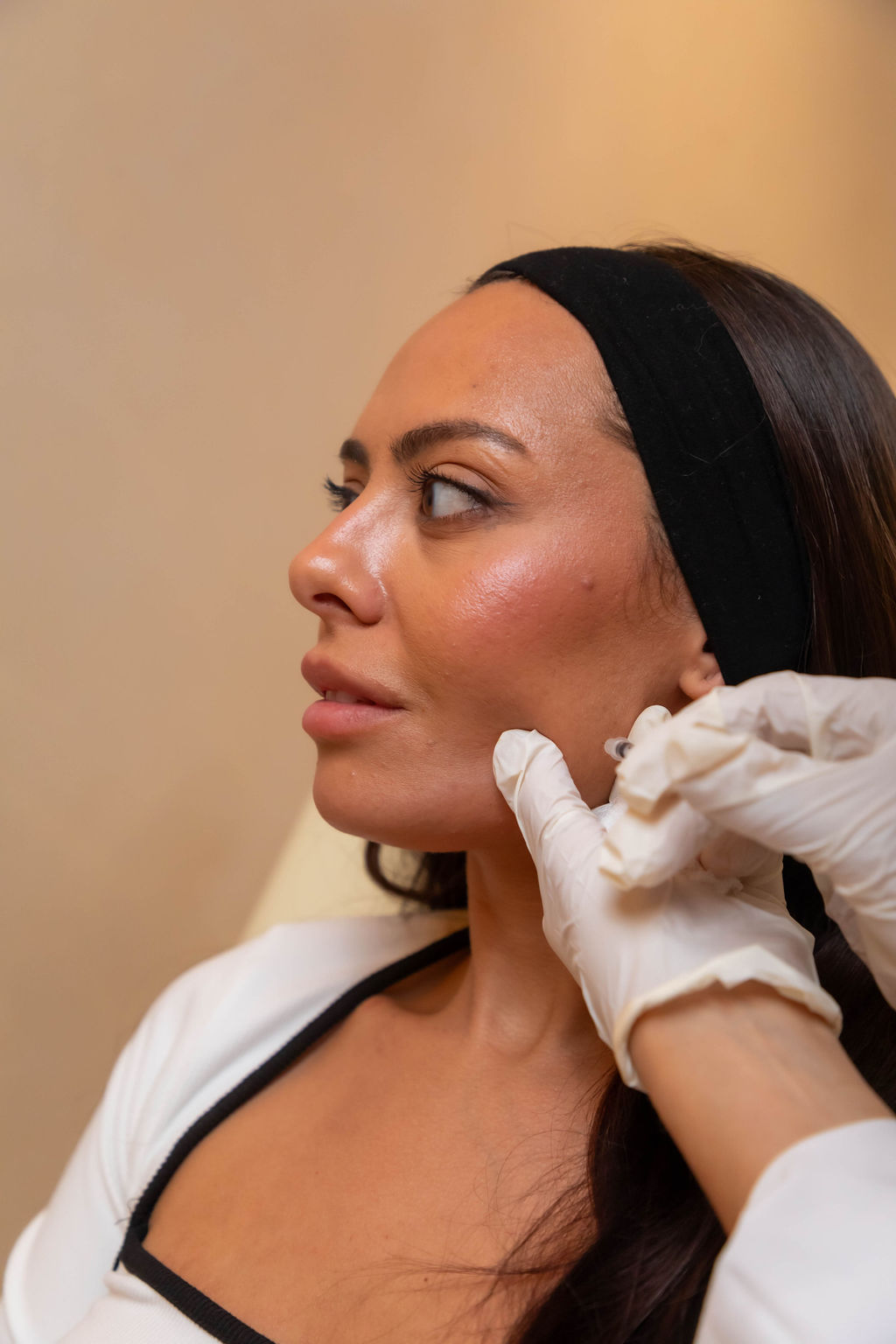
Sculptra and Radiesse are different injectable products. Their approved uses should not be confused with FDA approval for buttock augmentation. This comparison cannot determine whether either treatment is appropriate for you. Here is the honest breakdown. Important safety information: The FDA has not approved injectable fillers for buttock or hip augmentation and advises against injectable
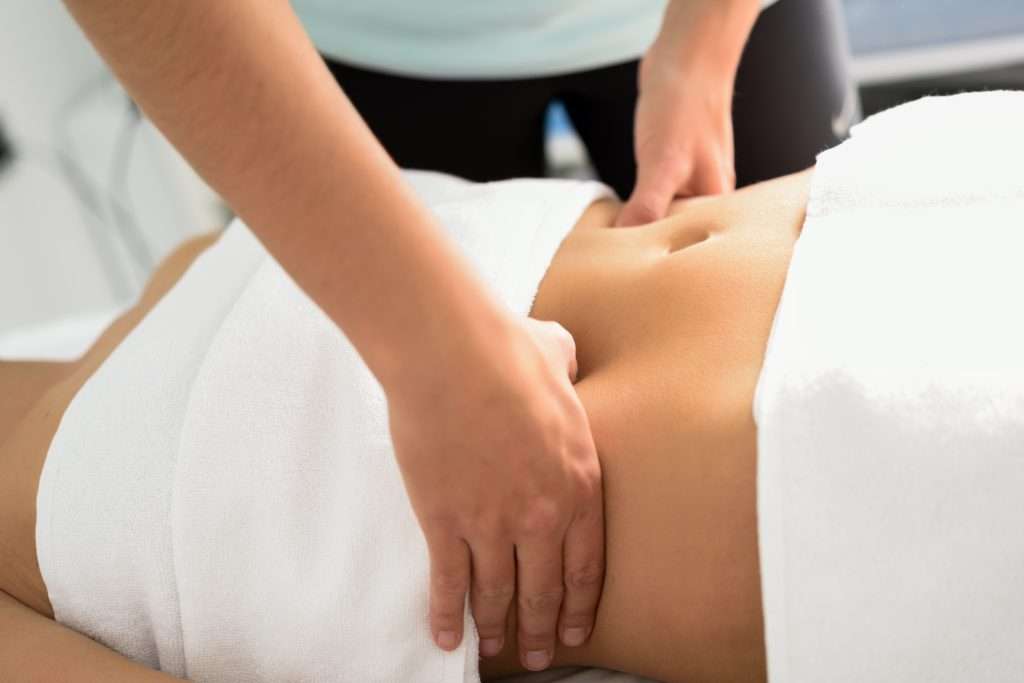
Aftercare depends on the product, treatment area, procedure, and medical history. This article cannot provide a personal recovery plan. Follow written instructions from your treating clinician and contact them if instructions are missing or unclear. The questions below can help you discuss follow-up care. They are not clearance to resume activities or begin massage. Important

